What Is Palletizing Equipment?
Palletizing Equipment helps move finished products from a production line onto pallets in a stable, repeatable pattern. A typical system may include an infeed conveyor, sensors, a robotic arm or layer-forming mechanism, and pallet dispensers. It can handle cartons, bags, or containers, depending on its design. On a busy line, the difference is visible: boxes arrive in steady rows, get arranged into layers, and leave ready for wrapping or storage.
Packaging automation specialist Mark Howard offers a useful principle: “A palletizing system works best when its pattern, product, and pace are designed together.” This captures an important point. Equipment selection is not just about speed. Product dimensions, package strength, pallet size, available floor space, and changes between product runs all matter. A system that performs well with rigid cartons may need adjustments for soft bags. Small details count.
This guide explains what Palletizing Equipment is, how common systems work, and where each type fits. It also considers practical choices, including robotic versus conventional palletizers, safety features, and integration with existing conveyors. Real plants are rarely perfect. Floors may be tight, product flow may fluctuate, and changeovers can take longer than expected. Those constraints deserve honest attention. They shape whether automation delivers dependable gains—or becomes another complicated machine on the line.
What Palletizing Equipment Is and What It Does
What Is Palletizing Equipment?
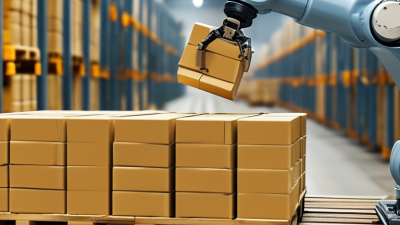
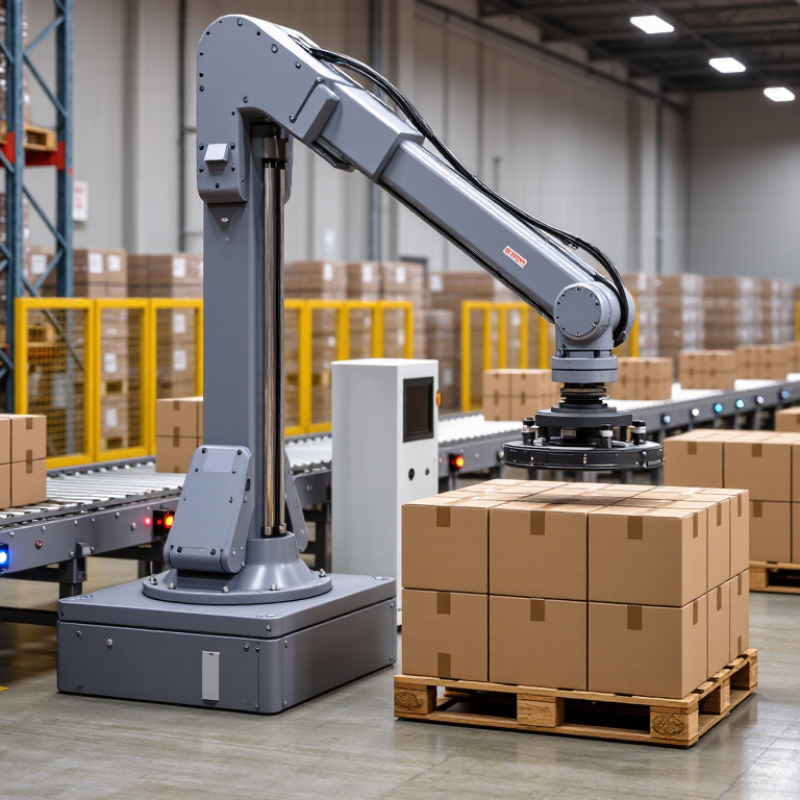
Palletizing equipment arranges cases, bags, cartons, or other unit loads into stable stacks on pallets. It can use robotic arms, layer-forming machines, conveyors, and safety controls. The system receives products, positions them in a planned pattern, and builds loads ready for wrapping or shipment. Some lines also place slip sheets between layers. In a warehouse, that may mean cartons arriving on a conveyor, turning at a transfer point, then forming neat rows on a pallet. The exact setup depends on package size, weight, speed, and available floor space.
Its main job is to make stacking more consistent and reduce repetitive manual handling. Pattern software helps distribute weight and keep edges aligned, while sensors can detect misplaced cases or a full pallet. It is not magic. Poorly chosen patterns can still create unstable loads, and irregular packages may need careful testing.
The International Federation of Robotics reported 541,302 industrial robots installed worldwide in 2023, with an operating stock of about 4.28 million.
Those figures cover industrial robots broadly, not palletizing machines alone, but they show the scale of industrial automation. A useful equipment assessment starts with actual product samples, measured cycle times, and the pallet dimensions used at the site.
One detail is easy to miss: the safest, fastest pattern on screen may not be the easiest load to handle at the dock.
How Palletizing Equipment Builds and Secures Loads
Palletizing equipment turns individual cartons, bags, or cases into a stable unit load.
Conveyors bring products to a stacking area, where mechanical arms or layer-forming systems arrange them on a pallet. Sensors check product position and help the system adjust when a case arrives slightly skewed.
Small details matter. A few centimeters of misalignment can leave an overhanging edge or create an uneven layer.
The pattern depends on the product’s weight, shape, and packaging strength. Heavier cases generally belong near the bottom, while interlocking rows can help limit shifting. Once the stack is built, a wrapper applies stretch film around the load; some operations use straps or corner boards for added support.
Film tension needs careful adjustment: too loose, and cartons may move; too tight, and lightweight packaging can buckle. That trade-off is easy to underestimate.
Operators should inspect sample loads and check how they behave during routine handling, not rely on a display reading alone. A pallet that looks neat may still be unstable if the base is uneven or the product surfaces are slippery.
Sensors and programmed patterns help, but they do not remove the need for practical checks.
The Main Types of Palletizing Equipment
What Is Palletizing Equipment?
The Main Types of Palletizing Equipment
Palletizing equipment stacks products onto pallets for storage or shipping. The main types differ in throughput, flexibility, and space requirements.
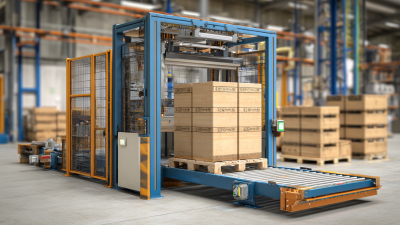
Conventional layer palletizers form complete rows, then place each layer onto a pallet. They suit steady production with consistent case sizes. They can be fast. But frequent product changes may require adjustments to guides, settings, or tooling.
Robotic palletizers use an articulated arm and gripper to place individual cases or bags. They can handle varied patterns and product sizes, making them useful for mixed production lines. Collaborative robots are a smaller-scale option, often suited to lower-volume work and tighter spaces. Actual capacity depends on payload, reach, packaging, and safety layout. A robot is not automatically the most flexible choice if its end-of-arm tooling needs frequent changes.
Industry data points to wider automation adoption, though it does not measure palletizers alone. The International Federation of Robotics reported 541,302 industrial robot installations worldwide in 2023 in World Robotics 2024. MHI’s 2024 Annual Industry Report found that 55% of surveyed supply chain professionals were using robotics and automation.
Broad figures, not palletizing-specific.
When comparing systems, measure cases per minute, changeover time, and available floor space. One detail is easy to miss: unstable or soft packages can limit stacking quality, whatever the machine type.
Key Components of a Palletizing System
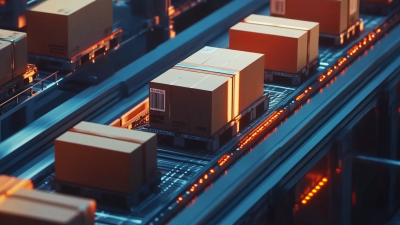
A palletizing system is more than the machine that stacks cartons. It is a coordinated line of components that receives products, arranges them, and builds stable loads. The infeed conveyor sets the pace. Guides and sensors keep cases aligned and detect gaps before they reach the stacking area. Small shifts matter; a carton arriving crooked can weaken an entire layer.
Layer-forming equipment groups cartons into a planned pattern, while a pallet dispenser places an empty pallet in position. A robotic arm or gantry then transfers each layer or case onto the pallet. The choice depends on product weight, shape, speed, and available floor space. Grippers, vacuum heads, or forks must match the load surface. No tool suits every carton.
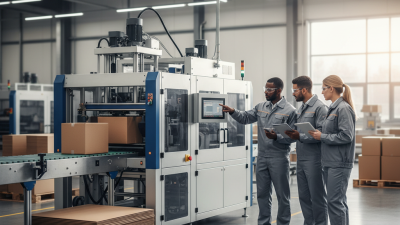
Controls coordinate movements and let operators adjust patterns, speeds, and fault responses. Photoelectric sensors, interlocks, and guarded access points help detect jams and reduce exposure to moving equipment. Many lines add a slip-sheet feeder or stretch wrapper to support transport. No layout is perfect. A system that works during a quiet test may struggle with crushed corners, changing carton sizes, or uneven arrivals. Real production trials reveal weak spots, so component selection should follow observed product behavior—not only a target rate.
Where Palletizing Equipment Is Used
What Is Palletizing Equipment?
Where Palletizing Equipment Is Used
Palletizing equipment is used in facilities that move products in cases, bags, trays, or containers. Food and beverage plants often place cartons of bottled drinks or packaged goods onto pallets before storage and shipping. On a busy line, equipment can build consistent layers while workers manage inspections, replenishment, and other tasks. It is common near the end of production, where finished goods are prepared for forklifts and warehouse handling. Small details matter: carton size, product weight, and pallet dimensions all affect the stacking pattern.
Warehouses and distribution centers use palletizers to organize mixed or uniform loads for dispatch. In building-materials plants, systems may stack bags of cement or bundles of boards; manufacturers of household goods often handle cartons. Some operations use automated equipment for steady, high-volume lines, while others choose simpler systems for changing product sizes. That choice is not always obvious. A fast machine may struggle when packages vary, and a manual process can become tiring during long shifts. Operators also need clear access to controls and space to remove completed pallets safely. Even a well-planned layout may need adjustment after real products begin moving through it.