


How to Choose the Best Bottom Case Sealer?
Choosing the right Bottom Case Sealer can improve packing consistency, reduce manual effort, and protect cartons during transport. However, the fastest machine is not always the best choice. A practical evaluation should begin with carton size, box weight, sealing material, line speed, and available floor space. Measure real cartons, including occasional oversized boxes. Small details matter. A machine that handles only standard cartons may struggle during seasonal production.
Experienced packaging teams usually inspect the sealing head, drive belts, side guides, and adjustment points. These components face daily wear. Easy access can shorten maintenance time and reduce production interruptions. Check whether the machine supports pressure-sensitive tape, hot-melt adhesive, or both. Confirm tape width, roll diameter, electrical requirements, and conveyor height through manufacturer documentation. Reliable suppliers should provide technical specifications, operating guidance, spare-parts information, and responsive service.
A controlled trial is valuable. Run filled cartons, not empty samples. Watch for crushed corners, loose flaps, uneven tape placement, and cartons stopping at the discharge. These signs reveal problems that brochures may hide. It is also wise to compare total ownership cost, including installation, training, energy use, maintenance, and replacement parts. An earlier selection may look efficient but become expensive after repeated adjustments. That mistake deserves attention. The best decision combines verified performance, operator feedback, workplace safety, and realistic growth plans. This guide explains the key factors, practical checks, and common oversights involved in selecting a Bottom Case Sealer with greater confidence.
What Is a Bottom Case Sealer and How Does It Work?
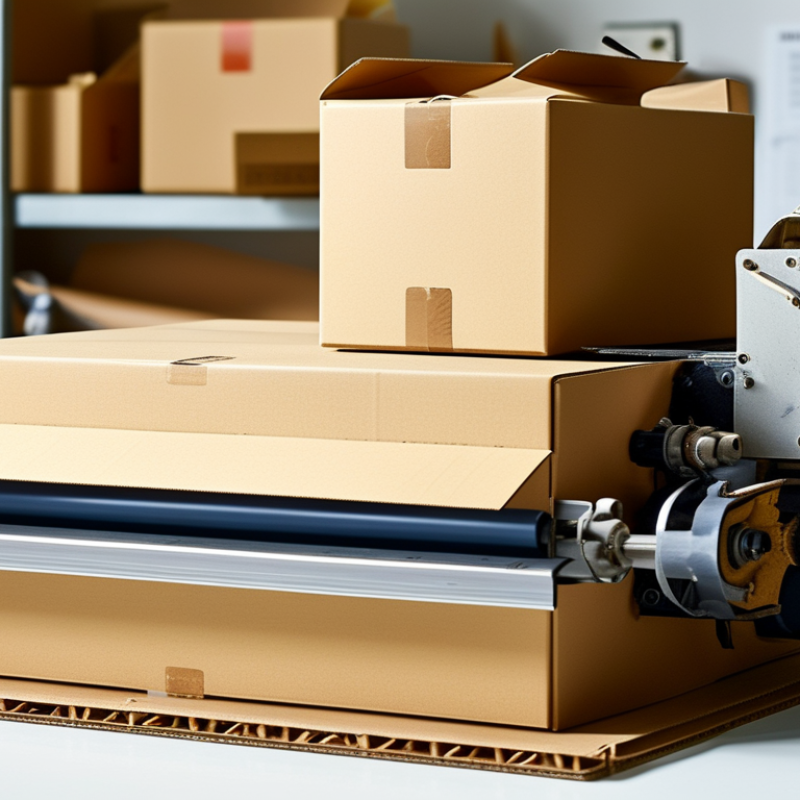
A bottom case sealer is a packaging machine that closes the lower flaps of a corrugated carton. It prepares the box before products enter the packing line. The machine may use pressure-sensitive tape or hot-melt adhesive. An operator places a flat carton over forming rails. The conveyor opens it into shape. Folding guides turn the bottom flaps inward. A sealing head then applies tape or adhesive. Compression rollers hold the closure firmly while it sets. Sensors monitor carton position and reduce feeding errors. Simple in principle. Small alignment problems can still cause open corners.
In a practical line, the machine must match the carton’s width, height, and board strength. Adjustable guides help handle different box sizes. A stable conveyor prevents cartons from twisting during sealing. Experienced operators check flap overlap, tape tension, and adhesive coverage every shift. They also inspect the sealed bottom by hand. It should feel flat, tight, and clean. One missed check may create trouble later. Dust, warped cartons, or weak board can reduce sealing quality.
When choosing a bottom case sealer, examine its speed and adjustment range. A fast machine is not always better for delicate cartons. Look for accessible controls, guarded moving parts, and clear maintenance points. Reliable sensors matter during continuous production. Ask how quickly workers can change carton sizes. Consider spare parts and technical support, too. The best choice is not simply the strongest machine. It should fit the carton, workflow, floor space, and operator skill. Some specifications look impressive on paper, but real cartons may behave differently.
How to Choose the Best Bottom Case Sealer? - What Is a Bottom Case Sealer and How Does It Work?
| Evaluation Dimension | Typical Data or Options | What It Means | Selection Guidance |
|---|---|---|---|
| Machine Function | Automatically folds the bottom flaps of a corrugated case and seals the center seam with pressure-sensitive tape. | A bottom case sealer prepares and closes the bottom of a carton before filling or further packaging operations. | Choose this equipment when consistent bottom closure is required and cartons are supplied in a regular size range. |
| Operating Principle | Case alignment → minor flaps fold inward → major flaps fold over the seam → tape is applied → rollers press the tape onto the carton. | The machine combines mechanical guides, folding rails, a tape head, and compression rollers. | Verify that the folding sequence matches the carton design, board strength, and flap overlap. |
| Sealing Method | Pressure-sensitive carton-sealing tape; hot-melt adhesive tape is also used in some applications. | The sealing method affects equipment cost, maintenance, noise, operating temperature, and carton compatibility. | Use pressure-sensitive tape for straightforward operation and easy changeover; consider hot-melt tape where stronger adhesion or special packaging conditions are required. |
| Carton Size Range | Common machine ranges accommodate approximately 150–600 mm in carton width and 120–600 mm in carton height, depending on the machine configuration. | The machine frame, side guides, belts, and folding components limit the cartons that can be processed. | Measure the smallest and largest cartons, including flap dimensions, and select a machine with adjustment margin beyond those measurements. |
| Carton Material | Single-wall and double-wall corrugated board are commonly supported; board thickness and flute type vary by application. | Board stiffness, recycled content, moisture, and surface dust can affect folding and tape adhesion. | Test the actual carton samples, especially when using lightweight, heavily recycled, coated, or moisture-exposed board. |
| Production Speed | Typical automatic models operate at approximately 15–30 cases per minute; actual output depends on carton size and line layout. | Rated speed is normally measured under stable conditions with correctly erected cartons and continuous material flow. | Select capacity based on required sustained throughput, not only the maximum published speed. |
| Tape Width | Common tape widths are 48 mm and 75 mm, with other widths available for specific carton and sealing requirements. | Wider tape provides greater contact area, while the correct width must match the tape head and carton seam. | Use a tape width that covers the center seam with adequate adhesion on both sides without interfering with flaps or guides. |
| Drive System | Twin side belts or powered belts are common; belt speeds are typically adjustable to suit carton flow. | The drive system transports and stabilizes the carton during folding and sealing. | Choose adjustable belts with sufficient contact height and pressure for the carton range and load condition. |
| Electrical Supply | Many machines use single-phase or three-phase industrial power, commonly within the 200–480 V range depending on the installation. | Electrical requirements vary with motor size, control system, safety devices, and local standards. | Confirm voltage, phase, frequency, circuit protection, and local electrical compliance before installation. |
| Compressed Air Requirement | Some mechanical models require no compressed air; pneumatic versions may require approximately 0.5–0.7 MPa clean, dry air. | Air may operate flap folders, stops, guides, or other actuators. | Check both pressure and air consumption, and provide filtration and moisture control where pneumatic components are used. |
| Changeover Method | Manual handwheel adjustment, graduated scales, quick-release guides, or recipe-based adjustment on advanced systems. | Changeover time affects productivity when multiple carton sizes are processed. | For frequent size changes, prioritize tool-free adjustment, clear scales, stored settings, and accessible controls. |
| Safety Features | Guard doors, interlock switches, emergency-stop buttons, overload protection, and jam detection are commonly used. | These features help protect operators from moving belts, folding mechanisms, and unexpected machine movement. | Confirm compliance with applicable workplace machinery safety requirements and provide operator training. |
| Maintenance Points | Inspect tape-head blades, rollers, belts, guides, sensors, fasteners, and adhesive-contact surfaces. | Wear, dust, loose components, or adhesive buildup can cause poor sealing, carton jams, and inconsistent alignment. | Choose a design with accessible wear parts, clear maintenance instructions, and readily available replacement components. |
| Best Fit by Application | Low-volume packing: semi-automatic equipment; stable high-volume lines: automatic inline equipment; varied carton sizes: adjustable or programmable equipment. | The appropriate configuration depends on labor availability, carton variation, line speed, and integration needs. | Compare total operating cost, changeover time, footprint, maintenance, and integration requirements—not just purchase price. |
Related Posts
-
Ultimate Guide to Choosing the Best Bottom Case Sealer for Your Packaging Needs
-
How to Choose the Right Bottom Case Sealer for Your Business Needs
-
Finding Quality Suppliers for Best Wrap Around Case Packers Essential Checklist for Global Buyers
-

How to Optimize Container Packaging for Maximum Efficiency and Cost Savings
-
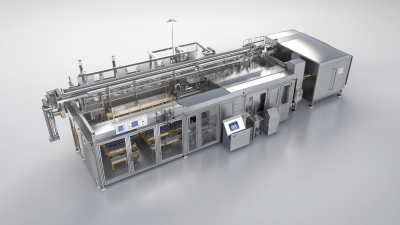
Innovative Options for Food Packaging Equipment That Transform Your Production Line
-

Ensuring Quality in Global Supply Chain What are the Standards for Containers and Packaging